


Signs Your Water Heater Is Failing in Your South Carolina Home
When You’re in a Bind, Call Vines!

3729+ 5 Star Reviews

Give Us A Call


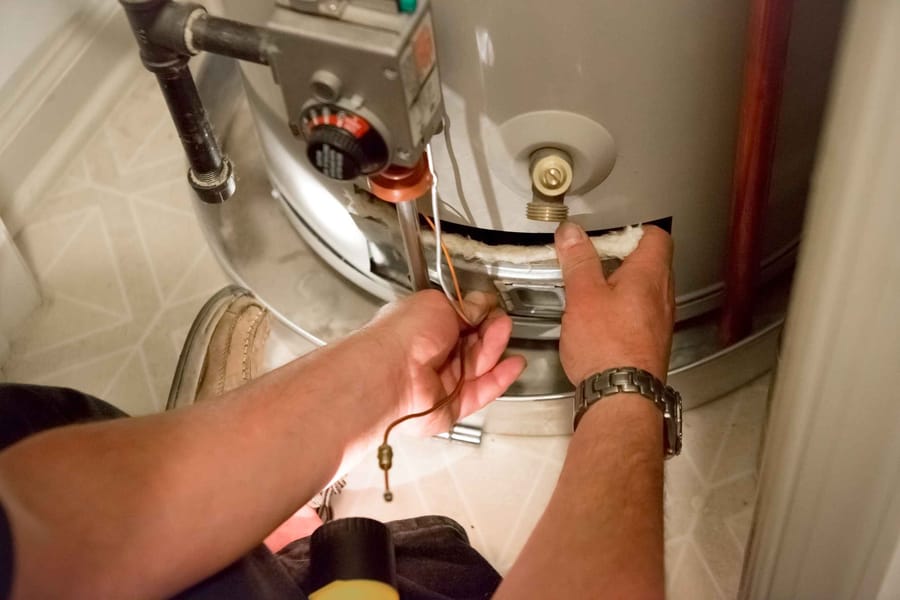
Water heaters tend to fail gradually, but many South Carolina homeowners do not realize there is a problem until hot water suddenly disappears or a leak causes damage. Warm temperatures, high humidity, and year-round water use place steady strain on water heaters, which can shorten lifespan and accelerate wear. These conditions make it especially important to recognize early warning signs before a small issue turns into an emergency.
Catching water heater problems early can help prevent water damage, unexpected downtime, and costly replacements. Changes in hot water performance, unusual noises, or visible corrosion are often signals that the system is nearing failure. Understanding the most common signs of a failing water heater helps South Carolina homeowners take timely action and protect comfort and safety at home.
How South Carolina Conditions Affect Water Heaters
South Carolina’s climate creates a demanding environment for water heaters. Heat, humidity, and frequent use combine to accelerate wear on components and reduce overall efficiency over time.
Heat, Humidity, and Increased Wear
Warm outdoor temperatures and high humidity cause water heaters to run more consistently throughout the year. Unlike colder regions with clear off seasons, systems in South Carolina rarely get extended breaks, which increases stress on internal parts.
This ongoing operation can lead to:
-
Faster deterioration of heating elements or burners
-
Increased corrosion from humid conditions
-
Shorter overall system lifespan
Local Water Quality and Mineral Buildup
Many areas in South Carolina have water with mineral content that contributes to sediment buildup inside water heaters. Over time, minerals settle at the bottom of the tank or coat heating components, reducing efficiency and increasing strain.
Mineral buildup often causes:
-
Slower heating performance
-
Higher energy usage
-
Increased risk of overheating and tank damage
Inconsistent or Insufficient Hot Water
One of the earliest and most noticeable signs of a failing water heater is a change in hot water availability. When performance becomes unreliable, it often points to internal wear or system limitations.
Running Out of Hot Water Too Quickly
If hot water does not last as long as it used to, the water heater may be struggling to keep up with demand. This can happen as heating components wear down or sediment reduces effective tank capacity.
Homeowners may notice:
-
Shorter hot showers
-
Hot water running out during normal use
-
Longer recovery times between uses
Fluctuating Water Temperatures
Water that shifts from hot to warm or cold unexpectedly can indicate failing internal components. Thermostats, heating elements, or burners may no longer regulate temperature consistently.
Temperature issues often signal:
-
Failing thermostats or sensors
-
Worn heating elements
-
Reduced system efficiency
Unusual Noises Coming From the Water Heater
Water heaters are designed to operate quietly, so new or worsening noises are often a sign that something is wrong. In South Carolina homes, heat and mineral buildup can make these sounds more noticeable as systems age.
Popping, Rumbling, or Banging Sounds
These noises are commonly caused by sediment that has hardened at the bottom of the tank. As the water heater works to heat water, trapped moisture beneath the sediment creates popping or rumbling sounds.
These noises often indicate:
-
Significant sediment buildup
-
Reduced heat transfer efficiency
-
Increased strain on the tank
Noises That Worsen Over Time
If sounds become louder or more frequent, the problem is usually advancing. Continued operation under these conditions increases wear and raises the risk of internal damage or tank failure.
Persistent noises can signal:
-
Accelerated internal stress
-
Higher likelihood of leaks
-
A system nearing the end of its lifespan
Visible Leaks, Moisture, or Corrosion
Visible signs around a water heater often indicate serious internal problems. Moisture and corrosion should never be ignored, as they frequently signal that the system is nearing failure.
Water Pooling Around the Unit
Water collecting near the base of the water heater can come from leaking connections, a faulty pressure relief valve, or a failing tank. Even small leaks can worsen quickly and cause damage to surrounding areas.
Pooling water may indicate:
-
Cracks forming in the tank
-
Loose or deteriorating fittings
-
Excess pressure inside the system
Rust, Corrosion, and Discolored Water
Rust on the tank or rusty colored hot water is a strong warning sign of internal corrosion. Once corrosion begins inside the tank, replacement is often the safest option.
Corrosion-related signs include:
-
Flaking or rusted tank surfaces
-
Brown or reddish hot water
-
Weakening structural integrity of the tank
Rising Energy Bills Without Increased Usage
A failing water heater often uses more energy to produce the same amount of hot water. When efficiency drops, homeowners may notice higher utility bills even though daily habits have not changed.
Reduced Efficiency From Aging Components
As heating elements, burners, or internal controls wear down, the system must run longer to heat water. This increased runtime raises energy consumption and puts added stress on remaining components.
Efficiency loss can lead to:
-
Longer heating cycles
-
Higher monthly energy costs
-
Reduced overall performance
How Failing Water Heaters Waste Energy
Sediment buildup, heat loss through the tank, and inconsistent temperature regulation all contribute to wasted energy. Over time, these inefficiencies compound, making operation more expensive and less reliable.
Age of the Water Heater
The age of a water heater is one of the strongest indicators of potential failure. Even well maintained systems have a limited lifespan, especially in South Carolina’s demanding climate.
Typical Lifespan in South Carolina Homes
Climate and usage patterns affect how long water heaters last. In South Carolina, year-round demand often shortens lifespan compared to cooler regions.
General lifespan expectations include:
-
Tank water heaters lasting about 8 to 12 years
-
Tankless systems lasting 15 to 20 years with proper maintenance
Why Older Systems Fail More Suddenly
As systems age, materials weaken and safety margins shrink. Older tanks are more likely to develop leaks or fail without much warning.
Older water heaters face higher risk of:
-
Tank rupture
-
Sudden loss of hot water
-
Emergency replacement situations
When Water Heater Problems Become Emergencies
Some warning signs indicate that failure may be imminent. Recognizing these signs helps homeowners act quickly and reduce the risk of damage.
Signs of Imminent Failure
Certain symptoms require immediate attention to avoid major water damage or safety hazards.
Emergency warning signs include:
-
Rapid or worsening leaks
-
Complete loss of hot water
-
Strong rust or metallic odors
Risks of Waiting Too Long
Delaying action increases the likelihood of water damage, mold growth, and higher replacement costs. Emergency failures often occur at the most inconvenient times.
Protecting Your South Carolina Home From Water Heater Failure
Water heaters in South Carolina homes face constant stress from heat, humidity, and year-round use. Over time, this wear shows itself through inconsistent hot water, unusual noises, visible corrosion, rising energy bills, and aging equipment. Ignoring these warning signs can lead to sudden failure, water damage, and unexpected replacement costs.
Addressing water heater issues early helps protect comfort, safety, and your home itself. Regular evaluation and timely action make a significant difference in preventing emergencies.
For homeowners who want expert guidance and reliable solutions, Vines Heating & Air, Plumbing, Restoration can help assess water heater condition and recommend the right next steps. Schedule your water heater service today!

Schedule Service Today
For immediate assistance in Horry & Georgetown Counties, please call us or schedule service.