


How South Carolina Pollen Can Affect Indoor Air Quality
When You’re in a Bind, Call Vines!

3761+ 5 Star Reviews

Give Us A Call



In South Carolina, spring isn’t just a season; it is an event. As the azaleas bloom and the temperatures rise, a familiar yellow blanket begins to descend upon the Palmetto State. From the coastal breeze of Myrtle Beach to the historic streets of Conway, pine and oak pollen become a constant presence on our cars, porches, and sidewalks. While this “yellow snow” is a sign of life returning to our beautiful landscape, it also represents a significant challenge for your home’s indoor air quality.
At Vines Heating & Air, Plumbing, Restoration, we have served the Grand Strand since 1965. We know that the air you breathe inside should be a sanctuary from the elements outside. However, South Carolina’s intense pollen seasons can easily overwhelm a standard HVAC system, turning your home into a trap for allergens. This guide explores how local pollen affects your indoor environment and the professional strategies you can use to keep your air fresh and clean.
The South Carolina Pollen Timeline
In our region, the allergy season is long and multifaceted. Because of our mild winters, trees can start releasing pollen as early as February, and the bloom can last well into the early summer.
Spring: The Tree Pollen Peak
The most visible culprit in South Carolina is pine pollen. While the grains are larger and often less irritating to the lungs than other types, their sheer volume is staggering. Simultaneously, oak, birch, and maple trees release finer, highly allergenic pollen that can easily bypass basic filters and find its way into your home’s ductwork.
Summer into Fall: Grasses and Weeds
As the tree pollen fades, grass pollen takes over through June. By the time August arrives, ragweed and other weeds begin their cycle, which can last until the first frost. In a humid coastal environment like Horry County, this means your HVAC system is dealing with biological particles for nearly nine months out of the year.
How Pollen Infiltrates Your Home
You might think that keeping your windows and doors closed is enough to keep the yellow dust at bay, but pollen is a persistent intruder. It uses several pathways to enter your living space.
The “Hitchhiker” Effect
Pollen is designed to stick to surfaces. Every time you walk the dog, work in the garden, or even walk from your car to the front door, you are collecting millions of microscopic spores on your clothes, hair, and shoes. Once you step inside, these particles are shed onto your carpets and furniture, where they eventually become airborne again.
Building Envelope Leaks
No home is perfectly airtight. Pollen grains can be smaller than 10 microns, allowing them to drift through tiny gaps around window frames, door sweeps, and electrical outlets. During high-wind days, the pressure difference can actually push pollen-laden air into your crawlspace and attic, where it can then seep into your living areas through unsealed plumbing and wire penetrations.
The HVAC Intake
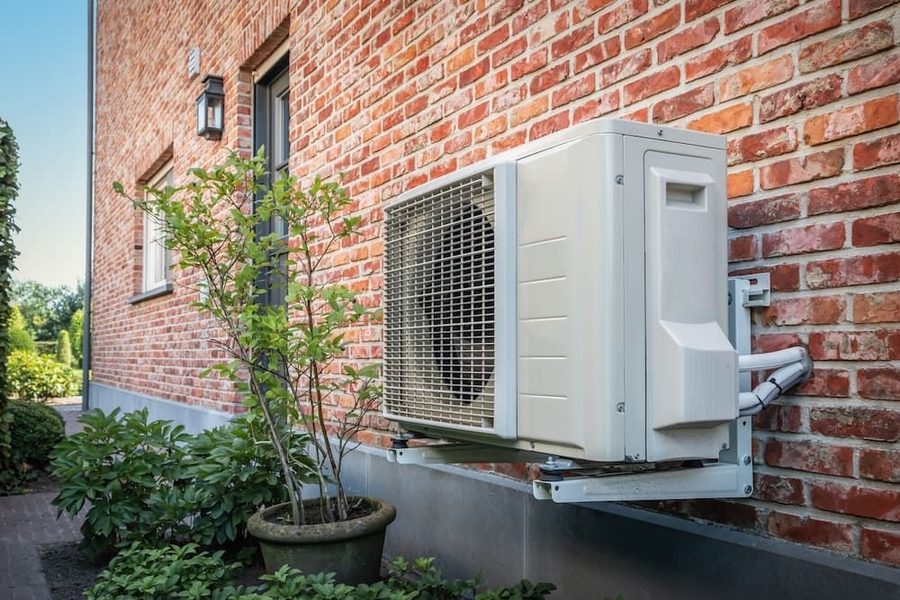
Your air conditioner is constantly pulling air from your home, filtering it, and recirculating it. If your outdoor unit is surrounded by high grass or flowering trees, or if your return vents are located near frequently opened doors, the system inadvertently acts as a vacuum for outdoor allergens.
The Impact on Your HVAC System
When pollen enters your HVAC system, it doesn’t just affect your breathing; it affects the mechanical health of your equipment.
Filter Clogging and Airflow Restriction
During peak pollen season in South Carolina, a standard one-inch filter can become matted with yellow dust in as little as two weeks.
- The Blower Strain: A clogged filter forces your blower motor to work significantly harder to pull air through the resistance. This leads to higher energy bills and can eventually cause the motor to burn out.
- Coil Contamination: If fine pollen bypasses a cheap or dirty filter, it settles on the damp evaporator coil. This creates a sticky “biofilm” that reduces heat transfer and can even lead to the growth of mold and bacteria inside your air handler.
The Defrost and Efficiency Drop
If your outdoor unit is coated in a thick layer of pine pollen and dust, it cannot release heat effectively. This forces the system to run longer cycles to cool your home, increasing wear and tear on the compressor and shortening the overall lifespan of your unit.
Professional Solutions for Cleaner Air
Standard fiberglass filters are designed to protect your equipment from large dust bunnies, not to protect your lungs from microscopic pollen. To truly combat South Carolina’s allergy season, you need a multi-layered defense.
High-Efficiency Media Air Cleaners
At Vines, we often recommend upgrading to a professional media air cleaner. These filters are significantly thicker than standard ones and have a higher MERV (Minimum Efficiency Reporting Value) rating.
- Superior Capture: A MERV 11 or 13 media filter can capture up to 98 percent of airborne pollen and mold spores without restricting the airflow of your system.
- Longevity: Unlike thin filters that need monthly changes, deep-pleated media filters can often last six months to a year, providing consistent protection through both the spring and fall pollen peaks.
UV Air Purifiers and Air Scrubbers
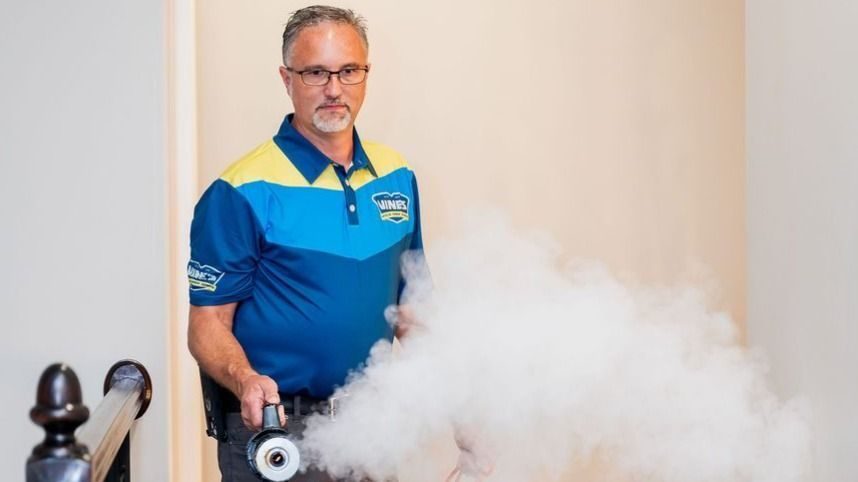
For the ultimate in indoor air quality, we install UV-C light systems and whole-home air scrubbers directly into your ductwork.
- Neutralizing Allergens: UV lights work by disrupting the DNA of biological pollutants like pollen and mold spores, rendering them harmless.
- Active Cleaning: Systems like the Air Scrubber by Aerus use specialized technology to “send out” cleaning agents into your home’s air, neutralizing pollen on surfaces and in the air before it ever reaches your nose.
Duct Sealing and Cleaning
If your ducts have leaks, they are likely pulling dirty air from your attic or crawlspace into your home. Professional duct sealing ensures that the air your system circulates is only the air it has filtered. Additionally, a professional duct cleaning can remove the years of accumulated “yellow dust” that may be sitting inside your vents.
Breathe Easier with Vines
Is the South Carolina pollen season taking a toll on your family’s health? Do not let allergens control your home. The experts at Vines are ready to test your home’s air, inspect your filtration system, and recommend the perfect solutions to keep the pollen outside where it belongs.
Contact us today to schedule your assessment and find out why the Grand Strand has trusted Vines for over 50 years.

Schedule Service Today
For immediate assistance in the Grand Strand, please call us or schedule service.