


Beating the Myrtle Beach Heat: 5 Signs Your South Carolina Home Needs AC Repair
When You’re in a Bind, Call Vines!

3761+ 5 Star Reviews

Give Us A Call


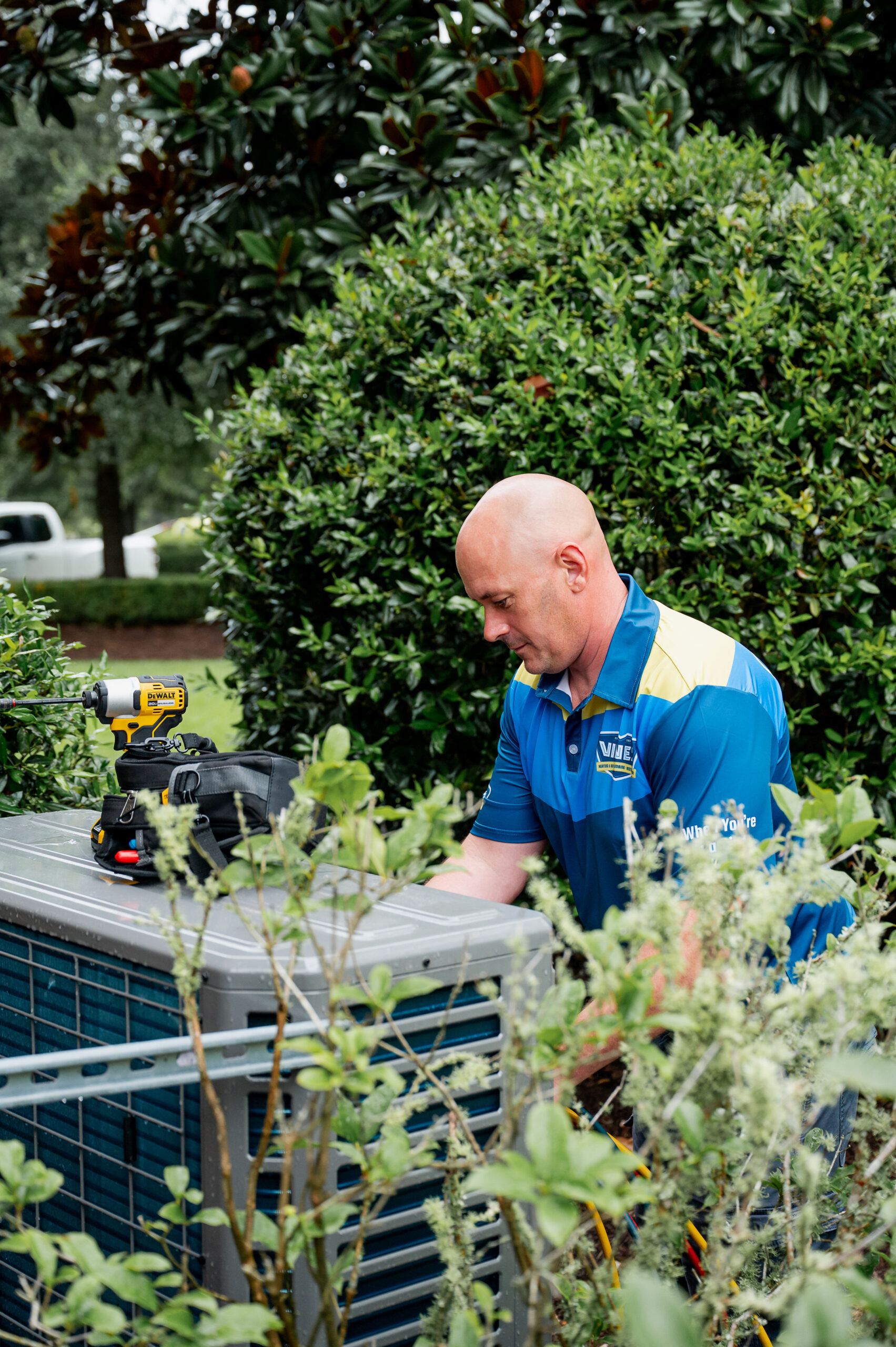
The Grand Strand in spring 2026 is a sight to behold. From the bustling Boardwalk to the quiet reaches of the Waccamaw River, the sun is shining and the azaleas are in full bloom. But as every local from Conway to Surfside Beach knows, the transition from spring to summer happens fast. The heat here is not just a temperature; it is a weight. When the South Carolina humidity settles in, your air conditioner becomes the hardest-working member of your household.
At Vines Heating & Air, Plumbing, Restoration, we have served the Grand Strand and Horry County since 1965. We understand that our coastal climate presents a unique set of challenges. Between the salt air corrosion on the coast and the inland humidity that makes 85°F feel like 95°F, your HVAC system is under constant pressure. Catching a problem early can be the difference between a quick afternoon fix and a total system failure in the middle of a July heatwave.
In this guide, we detail the five unmistakable signs that your home needs professional AC repair. If you notice even one of these symptoms, it is time to give the experts at Vines a call before the real South Carolina heat hits.
The Humidity Paradox: Cold Air but a “Sticky” Home
One of the most frequent calls we receive at Vines involves a homeowner saying, “The air coming out of the vents is cold, but I still feel hot.” In Myrtle Beach, temperature is only half the battle. Your air conditioner’s second, equally important job is to act as a massive dehumidifier.
If your home feels “sticky,” “heavy,” or “clammy” despite the thermostat reading 72°F, your system is failing to manage the South Carolina moisture. This often points to a few specific issues:
- Dirty Evaporator Coils: If the coils inside your air handler are coated in dust or biofilm, they cannot effectively pull moisture from the air.
- Oversized Systems: If a system is too large for the square footage of your home, it will “short cycle,” cooling the house too quickly and shutting off before it has had a chance to remove the humidity.
- Failing Blower Motor: If the air isn’t moving across the coils at the correct speed, the moisture removal process is interrupted.
Persistent high humidity is more than a comfort issue. It is a restoration risk. Excess moisture in the air leads to mold growth in ductwork and around window sills. As a full-service restoration company, we see the damage that unmanaged humidity can do to a home’s structure. Proactive repair ensures your home stays crisp, dry, and healthy.
Weak Airflow: The “Barely Moving” Breeze
When you place your hand over a supply vent, you should feel a steady, powerful stream of cool air. If the airflow feels like a weak whisper, your system is struggling. This is a critical sign of plumbing-adjacent HVAC issues or mechanical failure.
Common causes of weak airflow in our region include:
- Clogged Air Filters: The simplest fix, yet the most common cause of system strain.
- Leaky Ductwork: In older homes in downtown Conway or Myrtle Beach, ductwork can separate or develop holes. This means you are paying to cool your attic or crawlspace rather than your living room.
- Frozen Evaporator Coils: Ironically, if your system can’t breathe, the coils can drop below freezing and turn into a block of ice, physically blocking the airflow.
Weak airflow forces your system to run longer to achieve the same temperature. This leads to “marathon cooling cycles” that spike your energy bills and wear out the compressor prematurely.
Unusual Noises: Squealing, Grinding, or Banging
A well-maintained AC unit should operate with a consistent, low hum and a soft “whoosh” of air. If your system begins making noises you have never heard before, it is communicating a mechanical problem.
- Squealing: This often indicates a belt that has slipped or a motor bearing that is reaching its end.
- Grinding: This is a serious red flag. It usually points to a motor’s bearings being worn down, which can lead to the motor burning out entirely.
- Banging or Clanking: This suggests a loose part, perhaps a fan blade or a connecting rod, that has come adrift and is hitting other components.
Ignoring a new noise is like ignoring a check engine light in your car. What starts as a loose bolt can quickly become a catastrophic failure that destroys the entire unit. At Vines, our technicians use specialized diagnostic tools to pinpoint the exact origin of the sound, often saving the motor before it fails.
Short Cycling: The Constant Start-and-Stop
Does your AC turn on, run for three minutes, and then shut off, only to turn back on again five minutes later? This is called “short cycling,” and it is one of the most damaging behaviors an HVAC system can exhibit.
Startup is the most taxing part of an air conditioner’s cycle. It pulls the most electricity and puts the most strain on the electrical components. Short cycling is often caused by:
- Refrigerant Leaks: If your system is low on refrigerant, it cannot complete a full cooling cycle effectively.
- Electrical Issues: A failing capacitor or a faulty thermostat sensor can give the system “mixed signals.”
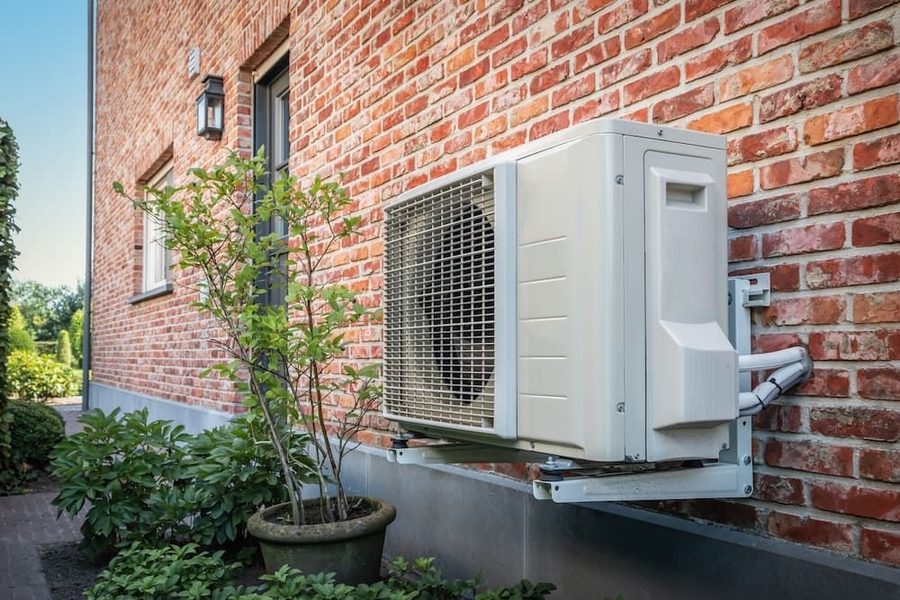
- Overheating: If the outdoor condenser is choked by salt-air corrosion or dirt, it may shut down as a safety precaution to prevent the compressor from melting down.
Short cycling is a primary cause of high energy bills and shortened system lifespan. In 2026, with energy costs on the rise, a short-cycling unit is an expensive liability.
Foul or Musty Odors: The “Dirty Sock” Syndrome
Your air conditioner should produce odorless air. If you notice a pungent, musty, or “vinegar-like” smell coming from your vents, you have a biological problem.
In the humid South Carolina environment, mold and mildew thrive in the dark, damp crevices of your HVAC system.
- Musty Smells: This typically indicates mold growth on the evaporator coil or inside the drain pan.
- Burning Smells: This points to an electrical issue, such as a wire that is short-circuiting or a motor that is overheating.
- Rotten Egg Smell: This is often a sign of a pest intrusion or a natural gas leak (if you have a gas furnace attached to your system).
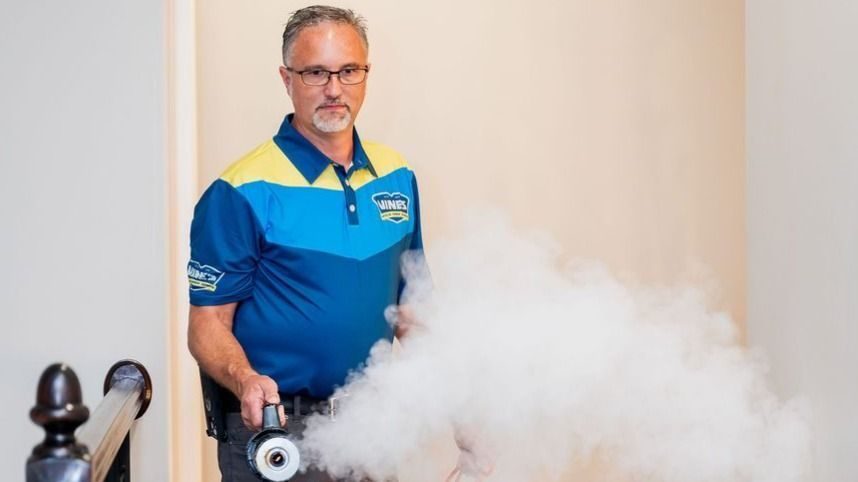
Because we are experts in mold restoration, we take these smells seriously. Clean air is non-negotiable for the health of your family. A professional cleaning and repair can eliminate the source of the odor and improve your indoor air quality significantly.
Reclaim Your Peace of Mind: The Platinum Promise
In 2026, the best way to handle AC repair is to prevent it before it happens. Our Platinum Promise Membership is designed to provide ultimate security for your home’s most vital systems.
For as little as $9.99 per month, our members receive:
- smartALEX Monitoring: Real-time health reports and sensors that catch leaks and performance drops before they become disasters.
- Two HVAC Inspections per Year: We ensure your system is ready for the summer surge and the winter chill.
- $0 Service Charges: Our Pro members never pay a service fee, even for emergency calls.
- Vines Bucks: Credits that build up and can be applied to any future major HVAC, plumbing, or restoration project.
Don’t Wait for the Heat Wave
The South Carolina summer is coming, and it does not make appointments. By identifying these five signs of AC trouble now, you can enjoy the beauty of the 2026 season without the stress of an unexpected breakdown. Whether you are dealing with a “sticky” home, strange noises, or rising bills, the solution is just a phone call away.
Your comfort is our legacy. Contact Vines Heating & Air, Plumbing, Restoration today to schedule your professional AC repair and experience the “Vines Standard” of service!

Schedule Service Today
For immediate assistance in the Grand Strand, please call us or schedule service.