


How to Prepare Your HVAC System for Fall in Myrtle Beach
When You’re in a Bind, Call Vines!

3741+ 5 Star Reviews

Give Us A Call


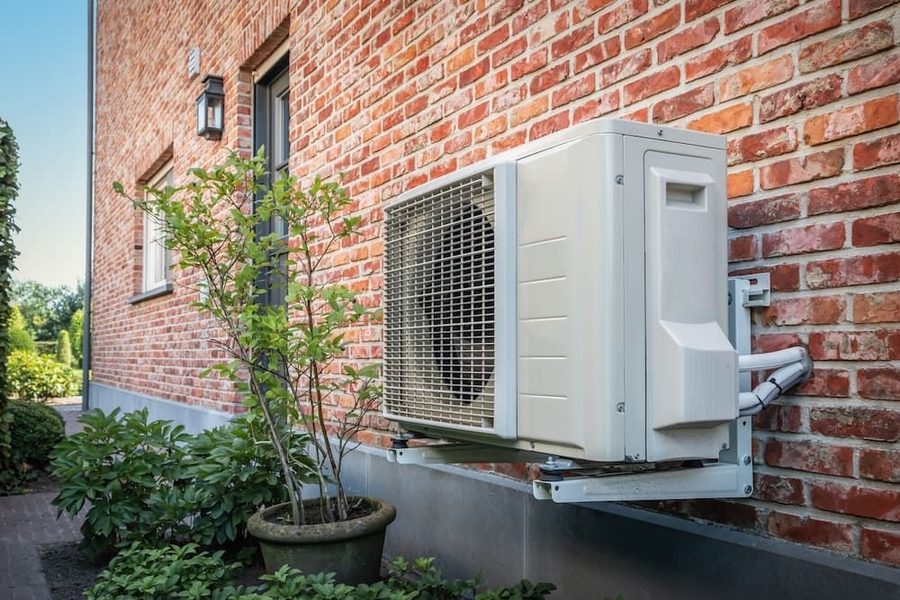
Fall in Myrtle Beach does not always mean an immediate end to air conditioning season. Warm afternoons can continue even as mornings and evenings become cooler, which means your HVAC system may alternate between cooling and heating as the season progresses.
That transition makes fall a good time to give your heating and cooling equipment some attention. After working through a hot, humid South Carolina summer, your system may need maintenance before it takes on cooler weather. A few simple checks can help you identify potential problems and prepare your home for comfortable fall days and nights.
When Should You Prepare Your HVAC System for Fall in Myrtle Beach?
Myrtle Beach homeowners should prepare their HVAC systems for fall before they regularly need heat. Early fall is a good time to check the air filter, clear debris around outdoor equipment, test heating operation, review thermostat settings, and schedule professional HVAC maintenance if needed.
You do not need to wait for the first cold night. Testing your heating system early gives you time to address problems while temperatures are still relatively mild.
1. Check or Replace Your HVAC Air Filter
Start your fall HVAC checklist with one of the easiest maintenance tasks: checking the air filter.
A dirty filter can restrict airflow through the HVAC system. Depending on the system and filter, restricted airflow can interfere with performance and place unnecessary strain on equipment.
How frequently a filter needs replacement varies based on:
-
Filter type
-
Manufacturer recommendations
-
System usage
-
Pets
-
Household conditions
-
Indoor air quality needs
Instead of assuming every filter needs to be changed on the same schedule, inspect yours regularly and follow the recommendations for your HVAC equipment and filter.
Why Check Your Filter in the Fall?
Your air conditioner may have operated extensively throughout a Myrtle Beach summer. Fall creates a natural opportunity to check the filter before your system transitions into more frequent heating.
Always use the correct filter size and a filter type appropriate for your HVAC system.
2. Clear Debris From Around the Outdoor Unit
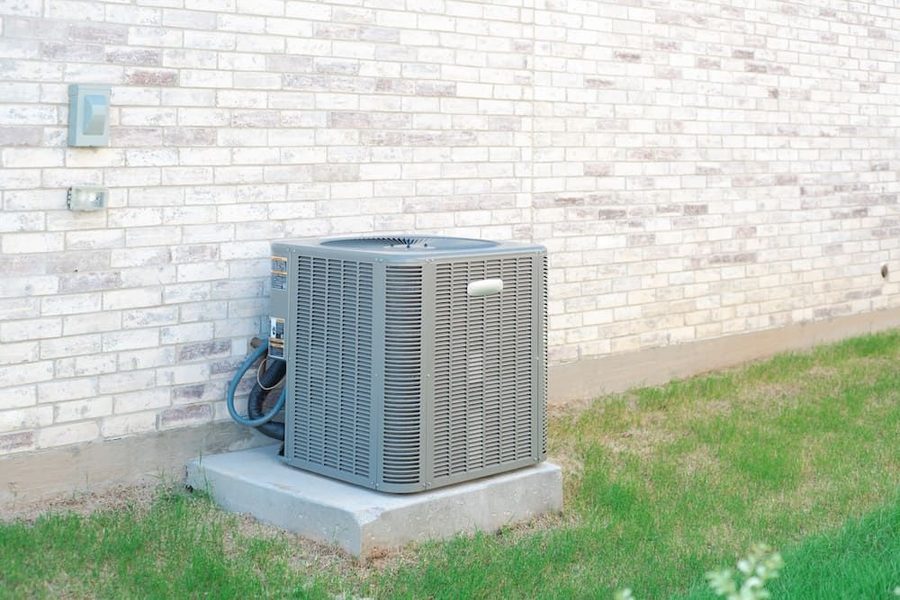
Take a walk around your outdoor HVAC equipment and look for anything that could interfere with normal operation.
Remove accessible:
-
Leaves
-
Grass clippings
-
Weeds
-
Small branches
-
Storm debris
-
Other loose materials
Vegetation should also be kept from growing too close to the equipment. Follow the manufacturer’s requirements for clearance around your particular unit.
Avoid opening the equipment or attempting to clean internal electrical or mechanical components yourself.
This check is especially useful after a summer of landscaping, thunderstorms, wind, and heavy HVAC operation.
3. Test Your Heating System Before You Need It
One of the most important fall HVAC tasks is simply making sure your heating system works.
Follow the normal instructions for your thermostat and HVAC equipment to switch from cooling to heating. Give the system enough time to begin operating, then pay attention to how it behaves.
Watch for:
-
No heat
-
Weak airflow
-
Unusual noises
-
Repeated starting and stopping
-
Error messages
-
Unusual odors
-
Difficulty reaching the thermostat setting
Discovering one of these problems during mild weather gives you an opportunity to schedule heating repair before a colder night arrives.
Is a Burning Smell Normal When You First Turn On the Heat?
Some heating systems may briefly produce a dusty odor when heating components operate after sitting unused.
However, you should not assume every burning smell is normal. Persistent burning odors, electrical smells, melting-plastic odors, smoke, or other unusual conditions should be taken seriously.
If your heating system smells abnormal or appears to be malfunctioning, turn it off when appropriate and have the equipment professionally evaluated.
4. Adjust Your Thermostat for Fall
Your summer thermostat schedule may no longer match your household’s fall routine or the changing weather.
Review programmed settings and make adjustments for:
-
Cooler nighttime temperatures
-
Changes in your family’s schedule
-
Heating operation
-
Cooling on warmer afternoons
If your thermostat uses replaceable batteries, fall can also be a convenient time to check them according to the manufacturer’s instructions.
Make sure the thermostat correctly switches between heating and cooling modes. If the temperature reading seems inaccurate or the HVAC system does not respond normally, the thermostat or another part of the system may need attention.
5. Check Vents and Airflow
Your HVAC system needs appropriate airflow to distribute conditioned air throughout your Myrtle Beach home.
Walk through the house and make sure supply and return vents are not unintentionally blocked by:
-
Furniture
-
Rugs
-
Curtains
-
Boxes
-
Other household items
Avoid routinely closing vents in unused rooms as an energy-saving strategy unless your HVAC system was specifically designed for that type of zoning. Changing airflow through a system can affect its operation.
If one room consistently receives much less airflow than others, professional evaluation can help determine whether the issue involves ductwork, balancing, equipment, or another cause.
6. Pay Attention to Fall Humidity
Humidity does not necessarily disappear when summer ends in coastal South Carolina.
Myrtle Beach can still experience humid conditions during mild fall weather. Because the air conditioner may run less frequently when outdoor temperatures drop, some homes can experience changes in indoor moisture control.
Potential signs of excess indoor humidity include:
-
Rooms feeling clammy
-
Condensation
-
Persistent musty odors
-
Elevated readings on an indoor humidity monitor
Your HVAC system is only one part of indoor humidity control. Ventilation, air leakage, insulation, moisture sources, and dedicated dehumidification can also affect conditions inside the home.
If humidity remains uncomfortable even when the HVAC system appears to be operating normally, an HVAC professional can evaluate potential causes and solutions.
7. Look for Condensate Drainage Problems
Your cooling system may continue operating well into fall in Myrtle Beach, so condensate drainage remains important.
Air-conditioning equipment removes moisture from indoor air, and that moisture needs somewhere to go. Depending on the HVAC system, drainage problems can cause water to collect around equipment or potentially trigger a safety switch that shuts the system down.
Look around accessible HVAC equipment for:
-
Standing water
-
Unusual moisture
-
Water stains
-
Signs of recurring drainage problems
If you notice water where it should not be, have the cause investigated instead of assuming it is normal condensation.
8. Schedule Fall HVAC Maintenance
Professional HVAC maintenance can provide a more detailed evaluation than homeowners can perform themselves.
Depending on your equipment and the maintenance service, a technician may evaluate:
-
Heating and cooling operation
-
Electrical components
-
Airflow
-
Thermostat performance
-
Condensate drainage
-
Heat pump operation
-
Accessible HVAC components
-
Safety-related components where applicable
If your system developed unusual noises, weak airflow, uneven temperatures, or other problems during summer, mention them during the service visit.
Maintenance can identify issues that deserve attention, but it should not be treated as a substitute for necessary repairs.
Do Myrtle Beach Heat Pumps Need Fall Maintenance?
Yes. Fall maintenance can be particularly useful for homes with heat pumps because these systems provide both cooling and heating.
After operating as an air conditioner throughout the summer, a heat pump may transition directly into heating as temperatures fall. That makes fall a convenient time to check its condition and performance.
If your heat pump will not switch modes, produces insufficient heating, makes unusual noises, or operates differently than expected, schedule professional service.
Should You Cover Your Outdoor HVAC Unit in the Fall?
Homeowners generally should not cover outdoor HVAC equipment unless the manufacturer specifically recommends an approved cover or procedure.
Covering equipment incorrectly can interfere with airflow or trap moisture.
This is especially important for heat pumps. Because a heat pump’s outdoor unit operates during heating season, it needs to remain clear and unobstructed.
Instead of covering the equipment, keep the surrounding area free from leaves, vegetation, and debris while following manufacturer clearance requirements.
Prepare Your Myrtle Beach HVAC System for Fall With Vines
Fall HVAC preparation in Myrtle Beach looks a little different than it does in colder climates. Your home may still need air conditioning on warm afternoons while requiring heat as temperatures cool.
Checking your filter, clearing outdoor equipment, testing your heat, reviewing thermostat settings, monitoring humidity, and addressing existing HVAC problems can help prepare your system for the seasonal transition.
If your HVAC system needs fall maintenance or repairs, contact Vines for professional heating, cooling, and heat pump service in Myrtle Beach and throughout the Grand Strand. Our team can help prepare your equipment for changing temperatures and keep your home comfortable throughout the season.

Schedule Service Today
For immediate assistance in the Grand Strand, please call us or schedule service.