


The Myrtle Beach Homeowner’s 2026 Storm Prep: HVAC & Plumbing Checklist
When You’re in a Bind, Call Vines!

3741+ 5 Star Reviews

Give Us A Call


The 2026 Atlantic hurricane season is officially here. While early forecasts suggest a slightly below-average season due to a developing El Niño, coastal South Carolina residents know better than to let their guard down. It only takes one localized system or a slow-moving tropical depression to turn a quiet summer into a restoration nightmare. For homeowners in Myrtle Beach, Conway, and across the Grand Strand, true peace of mind comes from proactive maintenance before the first clouds gather on the horizon.
Preparing your home for severe weather involves more than just buying bottled water and plywood. Your HVAC and plumbing systems are the most vulnerable and expensive components of your property. Neglecting these areas can lead to catastrophic failures, from flooded crawlspaces to fried air conditioning compressors. This guide provides a comprehensive 2026 storm prep checklist specifically tailored to our coastal environment.
Safeguarding Your HVAC System Against High Winds and Debris
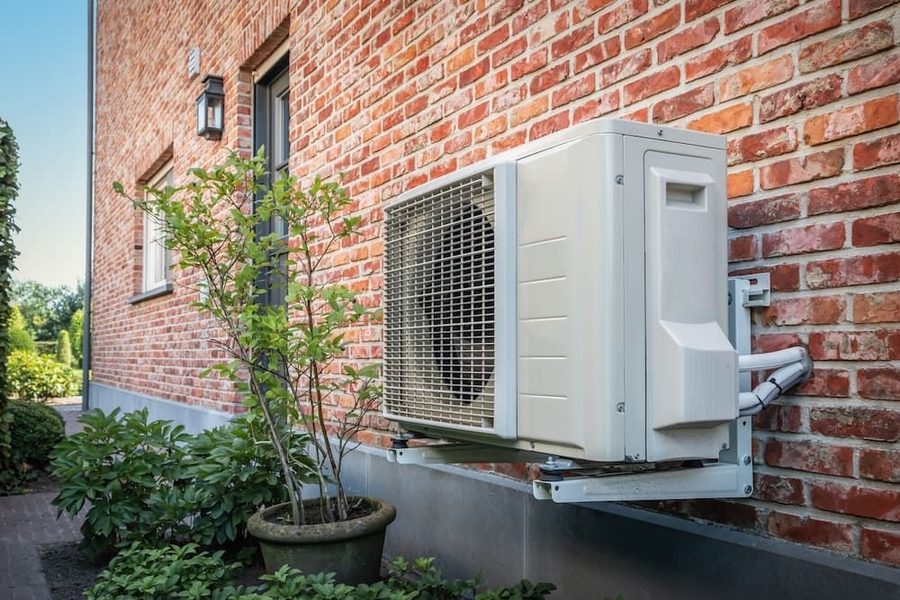
Your outdoor condenser unit is the heart of your home comfort system, but it is also a prime target for hurricane-force winds. During a major storm, loose debris becomes a projectile that can dent fins, sever refrigerant lines, or shatter fan blades.
Securing the Perimeter
Before the wind picks up, you must neutralize potential hazards in your yard. A clean perimeter is the first line of defense for your mechanical systems.
- Trim Overhanging Limbs: Cut back any branches within ten feet of your outdoor unit. High winds can snap even healthy-looking limbs.
- Remove Loose Objects: Move patio furniture, garden gnomes, and potted plants into a garage or shed.
- Clear Natural Debris: Rake up leaves, pine straw, and mulch that could clog the airflow of your condenser during heavy rain.
- Check Fence Integrity: Ensure nearby fence panels are secure so they do not blow into your equipment.
Mechanical Stability and Anchoring
In 2026, local building codes emphasize the use of heavy-duty hurricane straps for all outdoor equipment. These are no longer optional for homeowners who want to ensure their units stay put.
- Hurricane Straps: Verify that your stainless steel cables are tight and free of rust.
- Condenser Pads: Check that your concrete or composite pad is level and has not shifted due to soil erosion.
- Protective Barriers: Consider installing a windbreak or a breathable mesh cover designed to deflect small debris without trapping moisture.
Electrical Protection for Cooling Systems
While wind is a visible threat, electrical instability is often the silent killer of HVAC systems. Tropical storms frequently bring lightning strikes and power grid fluctuations that can destroy sensitive circuit boards.
Managing Power Surges
Modern air conditioners in 2026 rely heavily on microprocessors. These are extremely sensitive to the high-voltage spikes common during coastal storms.
- Whole-House Surge Protection: Install a sacrificial barrier at your main electrical panel.
- Individual Unit Protectors: Add a secondary surge protector specifically for the HVAC disconnect box.
- Thermostat Care: Ensure your smart thermostat is backed up to the cloud so you do not lose your programming during a long outage.
The Manual Shutdown Protocol
The safest way to protect your AC is to disconnect it from the grid before the storm arrives. Following a specific order of operations prevents mechanical stress.
- Step One: Turn the system off at the thermostat to stop the cooling cycle.
- Step Two: Flip the dedicated breaker in your main electrical panel.
- Step Three: If you have an outdoor disconnect box, pull the handle or flip the switch to ensure no power reaches the unit.
- Post-Storm Restart: Wait at least five to ten minutes after power is fully restored before turning the system back on to allow refrigerant pressures to equalize.
Plumbing Preparedness: Managing the Water Inflow
Myrtle Beach homeowners often focus on the roof but forget that water damage frequently starts at the ground level. Your plumbing system must be ready to handle the massive volume of water associated with coastal storms.
Gutter and Downspout Maintenance
Water management starts at the roofline. If your drainage system fails, water will pool directly against your foundation.
- Clean the Channels: Remove all pine needles and debris from your gutters to prevent overflows.
- Extend Downspouts: Ensure all water is discharged at least six feet away from your home foundation.
- Check Connections: Secure loose gutter sections that might rattle or fall during high winds.
Critical Valve Knowledge
If a pipe bursts due to structural shifting or a fallen tree, every second counts. Every member of your household should be trained on emergency plumbing procedures.
- Identify the Main Valve: Locate the main water shut-off valve, which is usually near the street or where the line enters the home.
- Test the Handle: Ensure the valve is not rusted shut and can be turned easily by hand.
- Label the Location: Use a bright tag or tape to make the valve easy to find in the dark or during a stressful situation.
- Smart Water Shut-Offs: Consider upgrading to an automated system that detects leaks and closes the line via a smartphone app.
Sump Pumps and Drainage Solutions
For many homes in the Grand Strand, a sump pump is the only thing standing between a dry crawlspace and a swimming pool under the floorboards.
Testing and Maintenance
Do not wait for the rain to start before checking your pump. A proactive test can save you thousands in restoration costs.
- The Five-Gallon Test: Pour a large bucket of water into the pit to ensure the float switch activates.
- Clean the Intake: Remove any silt or debris from the bottom of the pit that could clog the pump.
- Check the Discharge Line: Ensure the exterior pipe is not blocked and directs water away from the house.
The Necessity of Battery Backups
Storms and power outages go hand in hand. A standard sump pump is useless when the grid goes down.
- Install a Backup: A high-quality battery backup can keep your pump running for several hours without grid power.
- Monitor Battery Health: Check the charge levels and ensure the battery terminals are free of corrosion.
- Consider a Secondary Pump: Having a backup pump installed at a slightly higher level in the pit provides extra security during extreme floods.
The Professional Tune-Up: Why 2026 is Different
The humidity following a tropical storm is legendary. If your HVAC system is not running at peak efficiency, it will struggle to remove moisture from the air, creating a breeding ground for mold.
The Vines Inspection Checklist
During a pre-storm inspection, our technicians perform a rigorous checklist that goes beyond standard maintenance.
- Refrigerant Levels: Ensuring the system can handle the high thermal load after a storm.
- Electrical Connections: Checking for loose wiring that could fail under vibration or stress.
- Drain Line Clearing: Removing algae and sludge from the condensate line to prevent indoor flooding.
- Ductwork Inspection: Verifying that attic or crawlspace ducts are sealed tightly against moisture.
Your Partner in Coastal Safety
The 2026 storm season does not have to be a source of anxiety. By following this checklist and partnering with a trusted local contractor, you can ensure your home remains a sanctuary. Vines Heating & Air, Plumbing, Restoration has been serving the Myrtle Beach community for decades, providing the technical expertise and rapid response times that coastal living demands.
Schedule your pre-storm inspection today. Whether it is anchoring a condenser or performing a full system tune-up, taking action now ensures you are ready for whatever the Atlantic sends our way.
Schedule Service Today
For immediate assistance in the Grand Strand, please call us or schedule service.