


Why Coastal Humidity in Myrtle Beach Makes HVAC Systems Work Harder
When You’re in a Bind, Call Vines!

3741+ 5 Star Reviews

Give Us A Call


Living along the Grand Strand brings beautiful ocean views, breezy boardwalk walks, and months of perfect beach weather. But while our coastal location makes Myrtle Beach a fantastic place to live and vacation, it also introduces an environmental factor that is famously tough on home utilities: extreme humidity. During our long summer stretches, the thick, moisture-heavy sea air blanketing Horry County turns the outdoors into a literal sauna.
Sitting in a sticky, warm living room while your utility bills tick upward is incredibly frustrating. Many local homeowners assume that an air conditioner’s only job is to lower the temperature on the thermometer. In reality, dealing with coastal humidity requires your system to perform a heavy chemical and thermodynamic balancing act behind your walls. If your house feels muggy or your AC seems to run nonstop without catching its breath, your system is fighting an uphill battle against our coastal climate. Vines Heating, Air, Plumbing & Restoration has been delivering trusted, honest climate solutions across our local communities for years. This guide breaks down the science of why coastal humidity forces your HVAC system to work twice as hard, and the best ways to protect your summer comfort.
The Hidden Load: Latent Heat vs. Sensible Heat
To understand why a humid day makes your air conditioner struggle, it helps to look at the two different types of heat your system has to remove from your home: sensible heat and latent heat.
Sensible heat is the actual temperature of the air that you can feel on your skin and read directly on your indoor thermostat. When the outdoor temperature climbs to ninety-five degrees, your AC has to work to lower that sensible temperature down to a comfortable seventy-two degrees.
Latent heat is the hidden thermal energy trapped inside airborne water vapor. Because Myrtle Beach sits right on the Atlantic Ocean, our indoor air is packed with columns of invisible moisture. An air conditioner cannot even begin to lower the sensible temperature of a room until it first wrings out that heavy latent moisture.
When your system pulls thick, humid air across its cold indoor evaporator coils, the water vapor condenses into liquid droplets, dripping down into a drain pan. This process takes a massive amount of electrical energy. On a sticky July afternoon in South Carolina, up to half of your air conditioner’s total cooling power is spent acting as a giant dehumidifier, leaving far less energy available to actually drop the room temperature.
The Negative Side Effects of Unmanaged Coastal Moisture
Forcing a central air conditioning system to run a continuous moisture-removal marathon day after day introduces specific mechanical bottlenecks and home safety risks that you won’t find in drier climates.
Critical Issues Triggered by High Relative Humidity
-
Skyrocketing Monthly Energy Bills: Because your system must run much longer cycles to remove both the moisture and the heat from the air, it draws a continuous stream of electricity, causing your summer utility invoices to skyrocket.
-
Rapid Biological Slime Clogs: The extreme volume of water dripping off your indoor coils creates a constant river inside your PVC condensate drain line. This dark, wet environment inside your utility closet allows thick algae and mold slime to grow rapidly, triggering safety switches and shutting down your system.
-
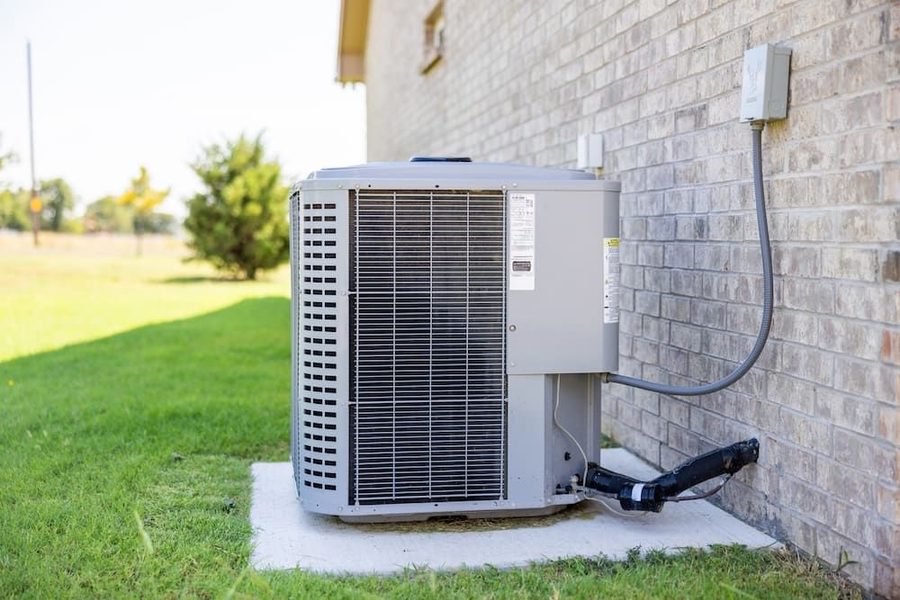
Corrosive Salt Air Damage: Properties along the coast deal with fine salt spray carried by the ocean breeze. When combined with high humidity, this salt acts as a corrosive blanket, rapidly eating away at the thin aluminum fins of your outdoor condenser unit and causing premature hardware failures.
-
Indoor Mildew and Structural Mold Growth: If an HVAC system is old, dirty, or incorrectly sized, it will fail to remove moisture fast enough. This leaves indoor relative humidity levels above sixty percent, creating a perfect breeding ground for mold spores behind drywall, under carpets, and inside closets.
Smart Upgrades to Balance Your Coastal Indoor Climate
If your home constantly feels sticky, simply turning your thermostat down to an icy sixty-eight degrees is not a smart solution. This will not fix the humidity; it will only force your compressor to overheat and freeze up your indoor coils. Instead, you want to implement modern, energy-efficient upgrades engineered for coastal environments.
Install a Whole-Home Dehumidifier
The absolute best way to conquer indoor mugginess is by installing a whole-home dehumidifier directly into your existing ductwork network. This system works alongside your central air conditioner, pulling gallons of water vapor straight out of your air streams before the air ever reaches your living spaces. By letting a dedicated machine handle the latent heat load, your primary air conditioner can focus strictly on dropping the temperature, lowering its operational runtime, and slashing your monthly power bills.
Upgrade Your System
Another fantastic modern option is upgrading to a variable-speed inverter split system. Traditional older air conditioners only have two settings: completely on at maximum blast or completely off. These systems often cool a room down too quickly and shut off before they have a chance to remove the airborne moisture, a defect called short-cycling. A variable-speed system runs continuously at a very low, whisper-quiet energy level, creating a steady stream of airflow that constantly wrings out humidity without over-cooling your rooms.
Securing Energy Efficiency and Fresh Air Quality for Your Property
Taking a proactive approach to your home’s indoor climate is the only way to protect your long-term mechanical assets and keep your family comfortable through intense South Carolina summers. While simple household habits like running bathroom exhaust fans and keeping windows sealed tight against the sea breeze can help manage baseline humidity, optimizing a complex central cooling network requires specialized diagnostic tools and professional trade training. Continuing to force an overtaxed AC to battle coastal humidity without regular maintenance is a costly mistake that guarantees sky-high power bills and premature equipment breakdowns. Investing in precision seasonal tune-ups, clear drainage networks, and targeted dehumidification tools ensures your home utility grid operates safely, extends your system’s lifespan, and transforms your home into a crisp, refreshing coastal sanctuary.
Keep Your Grand Strand Home Crisp and Refreshing with Vines
You do not have to live with a sticky, uncomfortable home or struggle with confusing energy spikes on your own. The friendly, fully licensed team at Vines Heating, Air, Plumbing & Restoration specializes in comprehensive indoor air quality audits, custom dehumidification systems, and precision coastal HVAC maintenance across Myrtle Beach and the surrounding communities. Let our team protect your comfort and secure your peace of mind before the peak of summer humidity hits.
Reach out to our team to schedule your HVAC service!

Schedule Service Today
For immediate assistance in the Grand Strand, please call us or schedule service.