


How HVAC Systems Affect Indoor Air Quality in Coastal South Carolina
When You’re in a Bind, Call Vines!

3738+ 5 Star Reviews

Give Us A Call


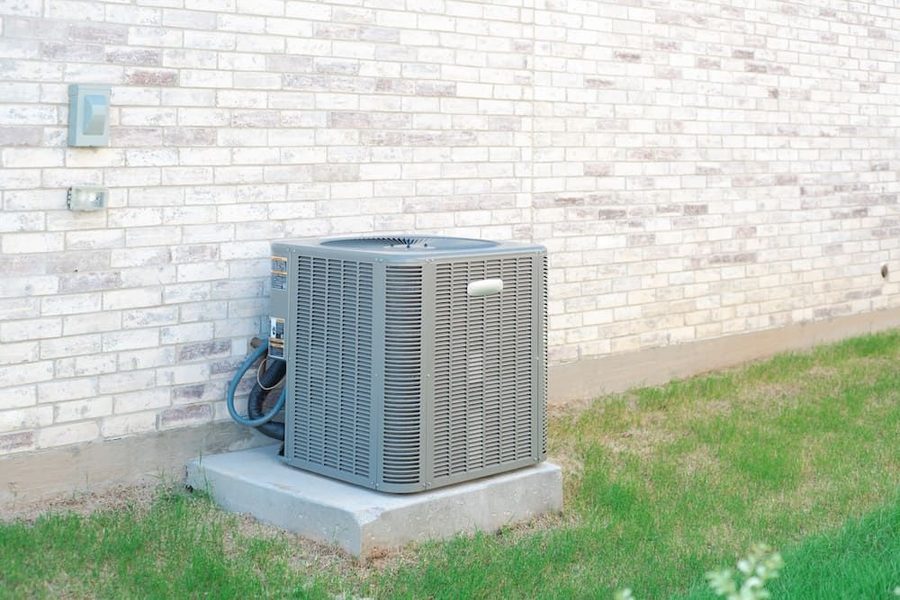
Living along the South Carolina coast, whether in Myrtle Beach, Conway, Murrells Inlet, or Pawleys Island, offers a coastal lifestyle filled with ocean breezes, sandy beaches, and warm sunshine. However, coastal living also comes with a unique environmental challenge: relentless heat and high humidity.
During the long summer months, relative humidity in Grand Strand communities routinely climbs past 80% to 90%. While most homeowners think of their heating, ventilation, and air conditioning (HVAC) system purely as a temperature regulator, it plays an equally critical role as your home’s primary air filtration and humidity control system.
When a coastal HVAC system is poorly maintained, improperly sized, or operating with unsealed ductwork, it stops protecting your air quality and starts actively degrading it. Vines Heating, Air, Plumbing & Restoration has been keeping homes safe, healthy, and comfortable across Horry and Georgetown counties for years. This guide breaks down how coastal climate conditions impact your home’s air, how your HVAC system influences indoor air quality (IAQ), and how to protect your family from hidden airborne pollutants.
The Coastal SC Challenge: Humidity, Salt Air, and Organic Growth
Indoor air quality in Coastal South Carolina is directly tied to our regional marine environment. Three primary environmental factors create continuous pressure on your home’s HVAC system:
-
Extreme Latent Moisture (Humidity): High humidity creates an ideal breeding ground for biological contaminants. Relative humidity levels above 60% allow mold spores, mildew, dust mites, and bacteria to thrive inside carpet fibers, drywall, furniture, and dark HVAC ductwork.
-
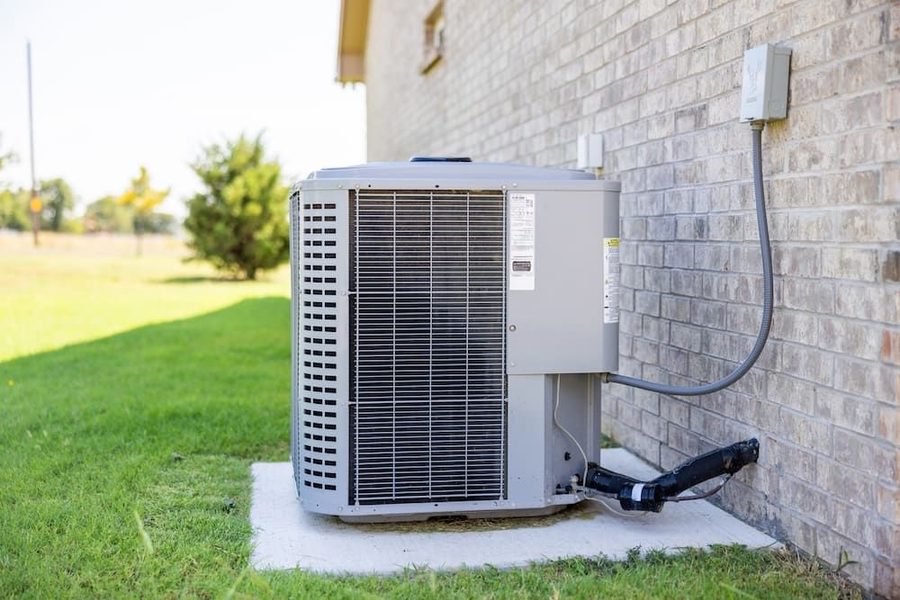
Corrosive Salt Air (Coastal Aerosols): Fine airborne salt particles carried by ocean breezes enter your home’s mechanical equipment. Salt accumulation on outdoor condenser coils and indoor evaporator coils accelerates corrosion (pitting), leading to refrigerant leaks and degraded dehumidification performance.
-
Pollen and Coastal Allergens: Between early spring pine pollen spikes and summer mold spore surges, coastal outdoor air carries a heavy load of microscopic particulate matter that finds its way indoors every time doors or windows open.
4 Ways Your HVAC System Directly Impacts Indoor Air Quality
Your central HVAC system continuously recirculates the air inside your living spaces, typically cycling the total volume of air in your home 5 to 7 times per day. Depending on system health, that recirculation can either cleanse your air or spread contaminants.
1. Humidity Control and Moisture Removal
An air conditioner acts as a powerful dehumidifier when operating correctly. Warm, moist indoor air passes over the icy evaporator coil, causing water vapor to condense into liquid and drain safely out of the house.
However, if your AC unit is oversized for your square footage, it will rapidly drop the air temperature in brief 5-to-10-minute blasts and shut off (short-cycling). Because it stops running before it has time to pull moisture out of the air, your home stays cold, damp, and clammy, creating prime conditions for mold growth inside your living spaces.
2. Ductwork Integrity and Attic Infiltration
In many Grand Strand homes, flexible ductwork is routed through unconditioned attics or crawl spaces. Over time, high heat, humidity, and house settling cause duct joints to separate, sealants to degrade, or outer insulation jackets to tear.
-
Leaky Supply Ducts: Cold air leaks into the attic, wasting energy.
-
Leaky Return Ducts: The system pulls hot, dusty, humid air directly out of dirty attic or crawl space cavities and blows it into your bedrooms and living room.
3. Biological Growth on Evaporator Coils and Drain Pans
Because an AC evaporator coil is constantly wet during summer operation, dust particles that pass through low-quality air filters stick to the wet fins. This creates a nutrient-rich environment for mold and algae colonies to grow directly inside your dark air handler cabinet. As air blows across the contaminated coil, it carries microscopic mold spores and musty odors into every room.
4. Air Filtration and Particulate Capture
Standard 1-inch fiberglass furnace filters are designed only to protect the blower motor from large dust bunnies; they do almost nothing to clean the air you breathe. Fine allergens, pet dander, tobacco smoke, and airborne bacteria pass right through basic filters, continuously recirculating through your household.
Solutions: How to Optimize HVAC Air Quality in Coastal Homes
Restoring clean, healthy air to your home requires a multi-layered approach that combines moisture management, high-efficiency filtration, and mechanical sanitation.
Upgrade to Whole-Home Dehumidification
While a properly functioning AC removes moisture during peak summer heat, it does not run as frequently during milder spring and fall days, even though outdoor humidity remains high. A whole-home dehumidifier installs directly into your HVAC ductwork, managing relative humidity independently of temperature to keep indoor moisture consistently between 45% and 50%.
Install High-Efficiency Media Filters (MERV 11–13)
Upgrading to a 4-inch or 5-inch pleated media filter rated at MERV 11 to MERV 13 traps micro-particles, including pollen, mold spores, fine dust, and dust mite debris, without choking system airflow.
Schedule Professional Duct Sealing and Sanitation
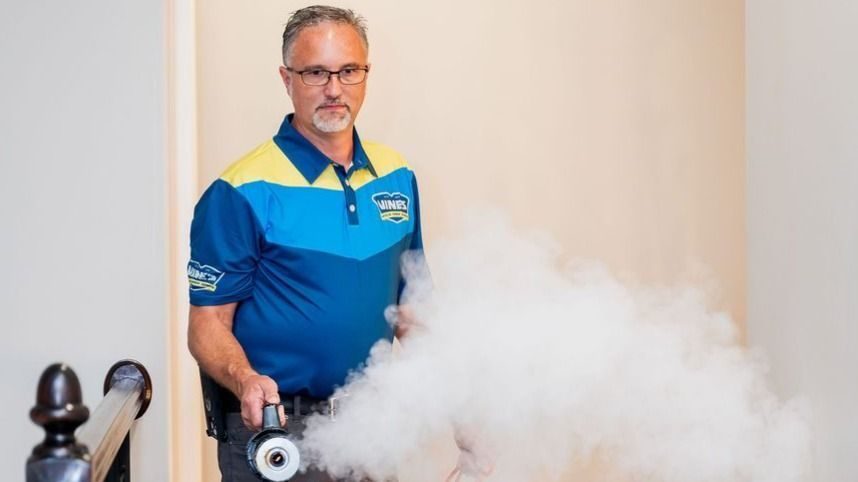
Having a licensed technician inspect, seal, and sanitize your air distribution network closes gaps where dirty attic air enters, ensuring 100% of the air passing through your vents is filtered, conditioned, and clean.
Breathe Easy in Your Coastal South Carolina Home
Taking control of your home’s indoor air quality is the best way to eliminate persistent musty odors, alleviate seasonal allergy symptoms, and protect your family from hidden airborne pollutants.
While changing a standard 1-inch air filter is a simple DIY habit, evaluating static duct pressure, repairing hidden return leaks, and installing whole-home IAQ equipment requires specialized equipment and certified trade expertise.
Don’t spend another coastal summer putting up with sticky air, stale odors, or high indoor humidity. Investing in professional indoor air quality solutions ensures your living space stays cool, dry, clean, and healthy year-round.
Contact Vines Heating, Air, Plumbing & Restoration or schedule your indoor air quality service online!

Schedule Service Today
For immediate assistance in the Grand Strand, please call us or schedule service.