


Fire & Smoke Restoration: Neutralizing Salt-Air Soot Binding in Coastal Kitchens
When You’re in a Bind, Call Vines!

3749+ 5 Star Reviews

Give Us A Call


A kitchen grease fire is one of the most frightening events a homeowner can experience. Whether caused by a pan of hot cooking oil on the stove or a malfunctioning appliance, a localized flare-up can be extinguished in seconds. However, the resulting smoke, atomized grease, and microscopic soot particles do not stay contained to the cooktop; they migrate rapidly through your living space, coating walls, cabinetry, stone countertops, and ventilation ducts.
For homeowners along the South Carolina coast, including Myrtle Beach, Murrells Inlet, Pawleys Island, and Conway, remediating kitchen fire damage introduces a severe chemical complication: salt-air soot binding.
When sticky, protein-based cooking soot mixes with airborne salt spray (sodium chloride) and high coastal humidity, it undergoes a chemical reaction. This creates an aggressive, corrosive residue that chemically bonds to household surfaces, discolors finishes, and rapidly degrades metal fixtures. This guide breaks down the science of salt-air soot binding, how it damages coastal kitchens, and how professional restoration neutralizes this hidden structural threat.
The Chemical Reaction: Protein Soot Meets Coastal Salt Air
Not all fire soot is created equal. Restorers categorize fire residues into three primary types: dry soot (wood/paper), wet soot (plastics/rubber), and protein-based soot (cooking oils, animal fats, and food ingredients).
1. The Nature of Protein-Based Soot
When cooking grease superheats past its smoke point, it vaporizes into a fine, yellowish-brown aerosol. As it cools, it settles over every exposed surface in your kitchen. Unlike dry wood ash, protein soot acts like a clear varnish or lacquer. It is extremely sticky, virtually invisible on dark surfaces, and emits a pungent, rancid odor that resists standard household cleaners.
2. The Salt-Air Catalyst
Homes along the Grand Strand sit in a marine environment rich in airborne sodium chloride particles and high ambient moisture. When salty coastal air mixes with sticky protein soot, several damaging reactions occur:
- Hygroscopic Moisture Binding: Salt is naturally hygroscopic, meaning it continuously pulls moisture directly out of the coastal air. This keeps the soot residue acidic and damp, preventing it from drying into a manageable film.
- Accelerated Acidic Corrosion: The combination of acidic grease combustion byproducts, water, and salt ions creates a corrosive slurry. This slurry immediately attacks exposed stainless steel appliances, copper piping, aluminum range hoods, and cabinet hardware, causing rapid pitting and rusting within hours of a fire.
- Etching and Permanent Staining: As the salt-soot mixture sets, it penetrates deeply into porous surfaces, such as unsealed granite countertops, tile grout, wooden cabinet doors, and plaster walls, causing permanent discoloration and finish breakdown.
4 Danger Zones Targeted by Salt-Air Soot in Coastal Kitchens
If left untreated or cleaned with improper DIY methods, salt-bound soot causes compound damage across several high-value kitchen components:
1. Custom Cabinetry and Wood Finishes
Solid wood and veneer cabinets absorb the oily, salty film. Standard water-based cleaners cause the salt ions to drive the soot deeper into the wood grain, stripping protective clear coats and permanently embedding burnt grease odors into the timber.
2. Stainless Steel Appliances and Range Hoods
While homeowners assume stainless steel is immune to corrosion, coastal salt-soot breakdown proves otherwise. The chloride ions in salt break down the passive chromium oxide layer protecting stainless steel. Within 24 to 48 hours of a fire, refrigerator doors, cooktops, and range hood housings develop dark rust spots and permanent chemical pitting.
3. HVAC Ductwork and Air Handlers
During a kitchen fire, the home’s HVAC system often draws airborne smoke and atomized grease into return vents. When this sticky soot coats the wet evaporator coils and aluminum fins inside your air handler, coastal humidity transforms the coil cabinet into an acidic corrosion site, destroying system efficiency and recirculating smoke odors into bedrooms.
4. Electrical Wiring and Outlet Receptacles
Fine soot particles are electrically conductive. When mixed with moisture-attracting salt, the residue coats internal outlet wiring, breaker terminals, and small appliance circuit boards behind kitchen walls. This leads to short circuits, corroded contacts, and serious electrical fire hazards.
Why DIY Cleanup Makes Salt-Soot Damage Worse
When faced with a kitchen smoke disaster, many homeowners instinctively grab dish soap, household degreasers, or warm water sponges. In a coastal environment, this approach often causes catastrophic secondary damage:
- Smearing and Setting the Film: Applying water or household sprays to protein soot without proper emulsification dissolves the salt but turns the soot into an insoluble, sticky smear that penetrates deeper into drywall and wood finishes.
- Grinding Abrasives into Metal: Rubbing stainless steel or polished stone with standard sponges drives microscopic salt crystals into protective metal finishes, scratching surfaces and accelerating oxidation.
- Ignoring Trapped HVAC Smoke: Surface wiping leaves pounds of soot trapped inside range hood ductwork and ceiling vents, allowing odors to off-gas every time the AC or heating system runs.
The Professional Neutralization and Restoration Protocol
Fully restoring a coastal kitchen after a grease fire requires specialized chemistry, corrosion inhibitors, and advanced atmospheric equipment.
- Precision Containment and Air Scrubbing: Technicians isolate the kitchen using plastic vapor barriers and deploy industrial HEPA air scrubbers equipped with activated carbon filters to capture floating soot particles and prevent odor migration.
- Dry Chemical Sponge Scouring: Before applying any liquid solutions, restorers use specialized latex soot sponges to lift loose surface film without smearing or driving particles into porous substrate pores.
- Alkaline Salt Neutralization and Emulsification: Technicians apply proprietary, marine-grade alkaline degreasers that break the molecular bond of the protein soot while chemically neutralizing corrosive salt ions. This stops metal corrosion instantly and lifts baked-on grease from cabinet faces and stone surfaces.
- HVAC and Duct Decontamination: The entire ventilation network is brushed, vacuumed under negative pressure, and sanitized to ensure clean airflow throughout the residence.
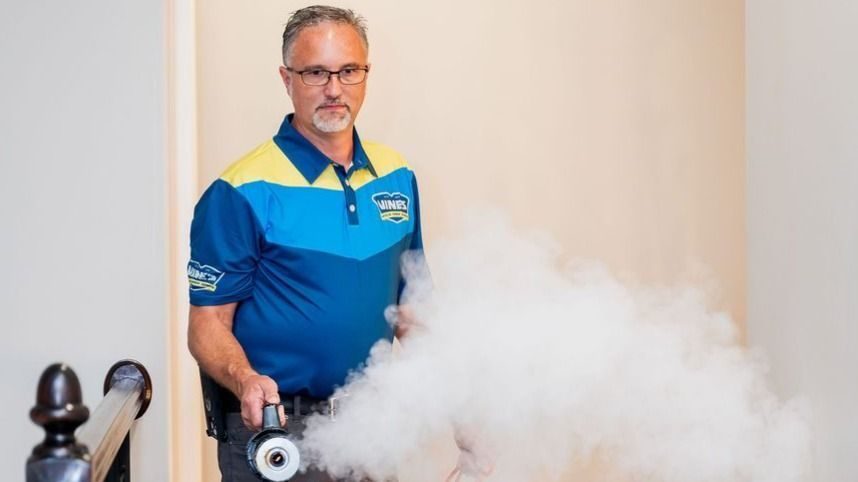
- Molecular Odor Elimination (Hydroxyl and Thermal Fogging): To eliminate stubborn burnt protein smells, restorers utilize hydroxyl generators and thermal foggers. These systems release microscopic neutralizing agents that penetrate deep into wall studs and framing, destroying odor molecules at the cellular level.
Restore Your Coastal Kitchen with Confidence
Experiencing a kitchen fire is stressful, but understanding how coastal environmental factors worsen smoke damage empowers you to take the right corrective steps.
Attempting to scrub protein soot with off-the-shelf household cleaners risks permanent appliance pitting, etched wood cabinets, and lingering smoke smells. Acting quickly to engage certified restoration specialists ensures corrosive salt ions are neutralized, property assets are salvaged, and your home returns to a safe, beautiful, and healthy state.
Contact Vines today to schedule your restoration service!

Schedule Service Today
For immediate assistance in the Grand Strand, please call us or schedule service.